Making the Abstract Tangible
Finnotech sold Open Banking APIs to banks and businesses. The product was strong, but executives couldn't see what it would do for them. I helped turn technical features into business outcomes they could see, touch and build with.
A strong product that buyers couldn't picture
Finnotech's Open Banking APIs were competitive, yet B2B conversion stayed low. The product wasn't the problem. The sales material described technical features, so non-technical leaders couldn't see the return on investment, and they didn't commit.
Context for European readers: Finnotech is a fintech in the Middle East that offered bank APIs to third parties, similar to what PSD2 enabled for banks and fintechs in Europe.
The barrier
Sales teams sold technical features, not business outcomes.
The impact
Buyers couldn't see the ROI, so deals stalled.
The goal
Redesign the sales story and materials so the value is obvious.
Finding the confidence gap
Low sales were the symptom. To find the real blocker, we interviewed the whole team in person, including the sales representatives and the product manager.
The risk-averse executive
Needs the strategic value without technical jargon. When something is unclear, they stay quiet and drop off rather than risk looking uninformed.
"What does this mean for our business?"
The resource-constrained founder
Sees high risk in security, time and cost. Needs quick, concrete proof that the integration is safe and doable.
From features to outcomes
…make the value visible enough that an executive understands it without technical help?
…remove the feeling of risk so a founder is comfortable committing?
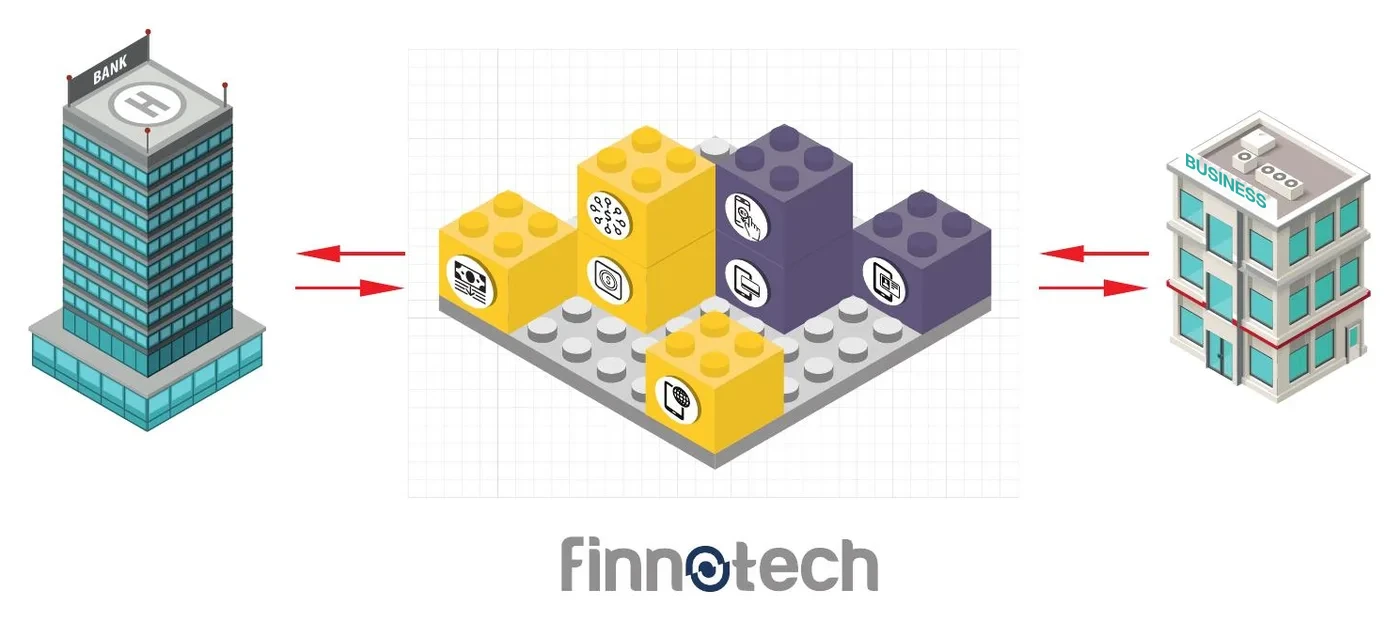
Double-sided service cards
A deck of printed cards, one per service. The front explains the service. The back shows a white-labeled mock-up of the client's own product after the integration, so a CEO could see exactly what their customers would experience.
Recreated in English from the original cards. App names and amounts are examples.
In the meeting, and after it
Sales reps and clients laid the cards out together to design the client's solution in the meeting. Afterwards the cards stayed with the client as a brochure, which helped them remember and build consensus internally.
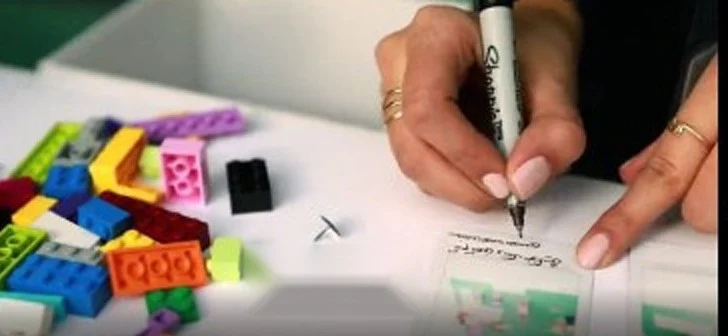

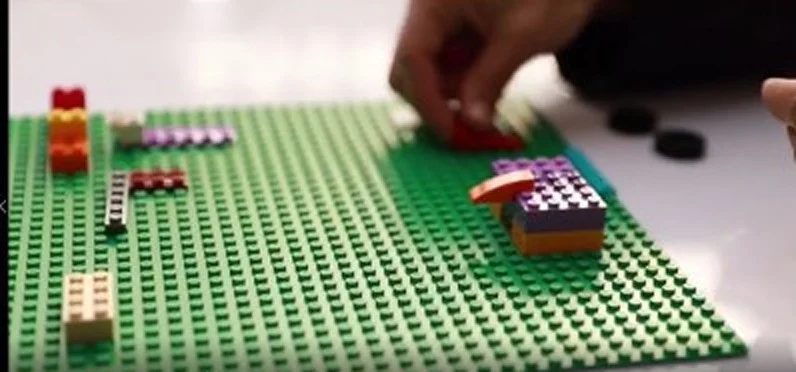
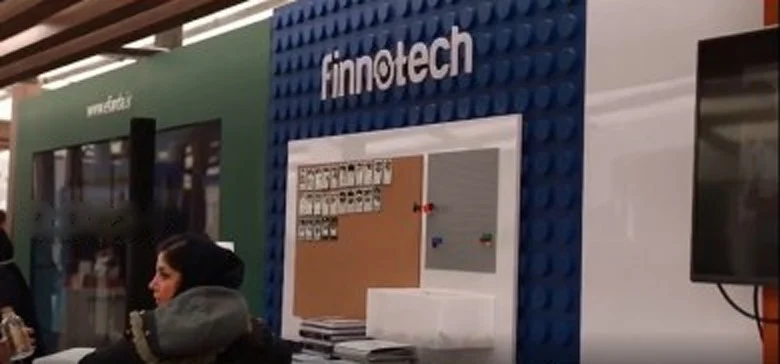
At an industry event, the building-block idea became physical: visitors built with real bricks and sketched on the cards.
Trust is a design problem
We validated the materials in two stages before rolling them out: first inside the sales process, then in the market.
70% conversion uplift
Conversion of enterprise clients rose by 70%.
Faster pipeline
Fewer early drop-offs and noticeably faster movement through the pipeline.
4 more banks
Four banks reached out on their own to integrate the API list. Finnotech moved from a single provider toward an industry leader.
Clients got excited
We tested the tools in real sales meetings. Clients "got excited" when they saw their own improved product.
Strategic outcomeTrust is a design problem. Once it is solved, it drives growth across the industry.
Removing the remaining doubts
The first interviews showed that startups and SMEs had their own concerns. We focused on enterprises first and planned to return to this segment in the next phase.
Free engineering help
Clients worried the integration would be too complex, so we offered six months of free engineering support.
Free APIs for startups
New startups got selected API packages for free in their first six months.
A free sandbox
For clients unsure whether the product would work for them, we introduced a free sandbox to test in.
The developer dashboard
I designed the UX and UI of Finnotech's developer dashboard, where clients sign in, register their apps, pick services and find the documentation. This refreshed version brings today's patterns: usage at a glance, keys you can copy and rotate, user-approved scopes per service, and docs with live code examples.
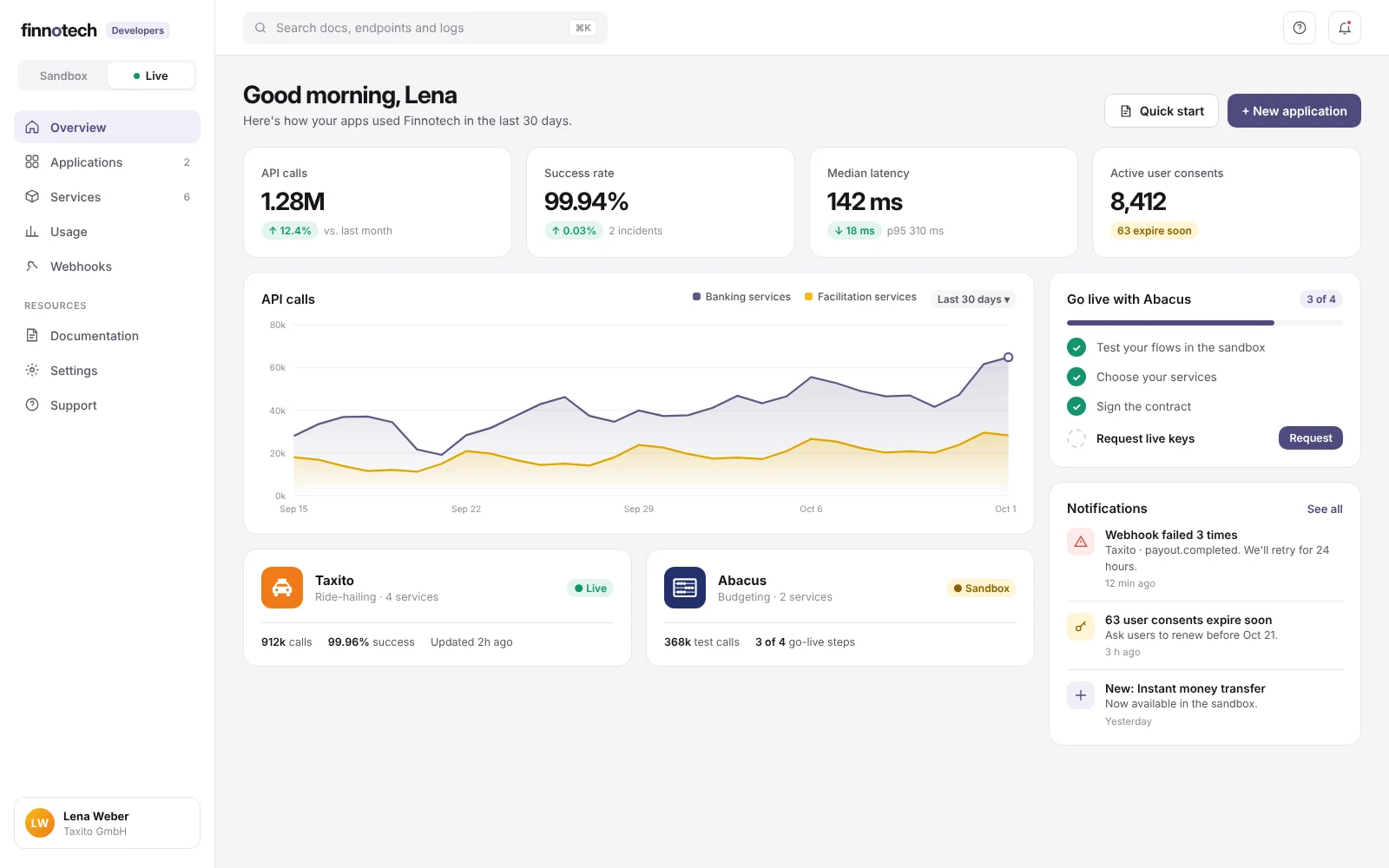
A concept refresh. App names, people and numbers are examples.